Luxury Property Solutions, LLC

MENU

The Secrets of Commercial Deal Structure

Acquire Commercial Properties Creatively

Most investor funds can be repaid the same day as closing. We structure the capital stack, coordinate escrow, and ensure investor repayment so you walk into ownership with reserves and cash left over.

  • Use investor funds for down payment, closing costs & reserves
  • Repay investors at closing (with profit) or immediately after
  • Close owning the asset while keeping your personal cash free
  • Leave closing with operating capital and 6–12 months of reserves
How It Works
We help with:
Deal modeling
Verify numbers before lenders
Investor structuring
Safe escrow & repayment
Closing coordination
Title / lender / funds flow
Typical deal profile
Commercial assets where creative structuring makes the numbers work.
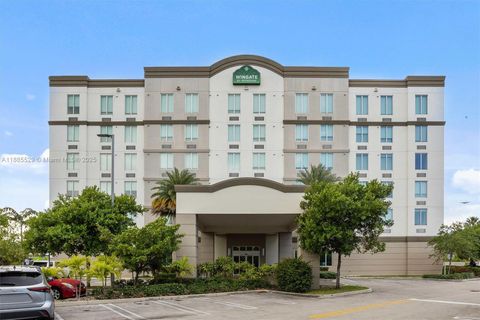
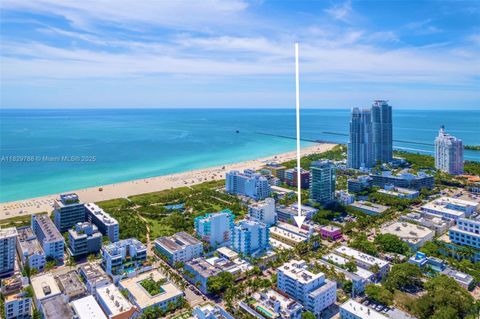
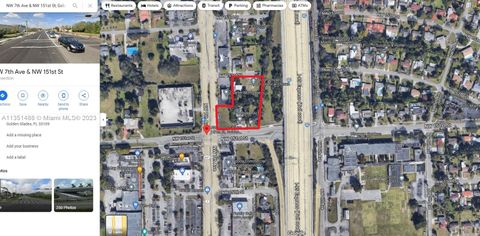
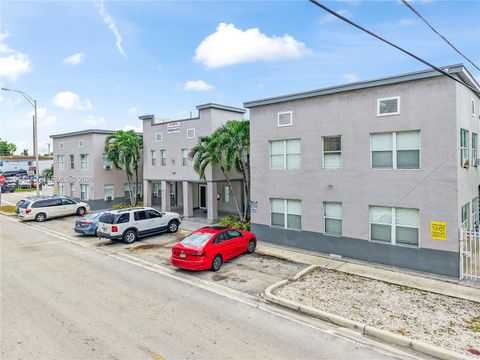
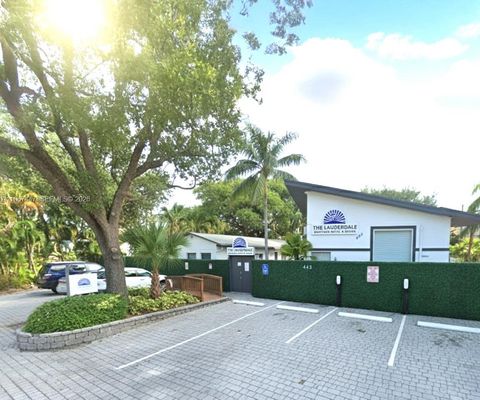
Example Properties We Can Help You Acquire

Below are sample opportunities where creative funding and investor capital structure can help close the transaction. We put together the offers for you and help you locate lenders, down-payment assistance, and coordinate the full funding stack so you achieve your acquisition goals.

Nationwide Commercial Property Searches
Looking outside our local MLS coverage? Browse commercial opportunities across the U.S. on LoopNet.
Search Nationwide on LoopNet

How We Help You Structure the Deal

  1. Deal evaluation & modeling — verify lender acceptance and cash flow before you contract.
  2. Appraisal & valuation strategy — avoid deals that won't appraise.
  3. Investor capital structuring — escrow-ready funds and repayment terms.
  4. Closing coordination — title, lender, and investor alignment to repay funds at closing.
  5. Double closing execution — when using buyer-side proceeds.

Who this is for

Entrepreneurs ready to acquire commercial property using private capital, buyers with deals who need structuring help, and investors who want to scale without tying up personal cash.

Common questions

Q: Is residential the same?
A: No — commercial lending permits more flexible fund sources and no seasoning rules.


Compare: Standard vs Creative Temporary Funding — LPS (With Reserves)

Standard vs Creative Funding — Example: $3,900,000 Building (Reserves Added)

Vertical diagrams so they fit. Shows pre-close + LPS retainer + reserves available at closing.

$3,900,000
%
%
%
%
%
%
Tip: change List Price, Purchase Price, LTV, seller credit, investor premium, NOI or cap rates and click Recalculate. Pre-close non-refundable sample and LPS Retainer ($10,000) are included in totals below. Purchase price should not exceed the list (asking) price for most lender scenarios.

Standard Purchase (Regular Way)

Buyer brings full equity (down payment) to closing.
Purchase price
$3,900,000
LTV (loan)
$2,535,000
Buyer down payment (price − loan)
$1,365,000
Estimated closing costs (example 2.5%)
$97,500
Total buyer cash needed at close (down + closing)
$1,462,500
Buyer estimated non-refundable due diligence (paid pre-close):
  • Appraisal: $10,000
  • Phase I: $3,000
  • Inspections & engineering: $8,000
  • Legal / docs review: $12,000
  • LPS Retainer Fee (non-refundable): $10,000
  • EMD (example 1%) (often refunded/credited): $39,000
Buyer estimated out-of-pocket pre-close (D.D. + LPS Retainer)
$43,000
Buyer cash needed at close after pre-close non-refundable items
$1,419,500
Reserves for Buyer at Closing (seller credit left after closing costs)
$0
Seller net cash at closing (approx.)
$0
Seller-carried second (if any)
$0
Buyer Brings down $1,365,000 + closing Title / Escrow Receives funds, records Lender Funds loan $2,535,000 Summary: Buyer pays full down payment & closing costs at close. Buyer pre-close non-refundable (D.D. + Retainer): shown above.

Creative Temporary Funding (Seller + Investor Option Buyout)

Investor supplies down payment; seller purchases investor position at closing (down + premium). Seller also provides a seller credit applied to closing costs and reserves.
Purchase price
$3,900,000
Loan (LTV)
$2,535,000
Investor funds Down Payment (example)
$1,365,000
Seller credit applied to closing costs
$274,000
Investor payoff = Down + premium (10%)
$1,501,500
Net cash seller effectively pays at close to retire investor
$1,501,500
Buyer estimated non-refundable due diligence (paid pre-close):
  • Appraisal: $10,000
  • Phase I: $3,000
  • Inspections & engineering: $8,000
  • Legal / docs review: $12,000
  • LPS Retainer Fee (non-refundable): $10,000
  • EMD (example 1%) (often investor-funded & credited): $39,000
Buyer estimated out-of-pocket pre-close (D.D. + LPS Retainer)
$43,000
Buyer cash needed at close after pre-close non-refundable items (creative)
$0
Reserves for Buyer at Closing (seller credit left after closing costs)
$176,500
Seller net cash at closing (approx.)
$0
Seller-carried second (if any)
$0
Investor Provides down $1,365,000 Title / Escrow Holds funds for closing Seller Buys investor position: pays $1,501,500 Buyer Pre-close out-of-pocket (D.D. + Retainer) ≈ $43,000 Seller credit $274,000 applied to closing costs / reserves Notes: Investor funded down; seller buys investor at close (down + premium). Buyer pays pre-close D.D. & LPS retainer (non-refundable) shown above. Reserves displayed = seller credit − estimated closing costs (applied to buyer).

Comparison Summary (Updated with Reserves)

All numbers reflect the example inputs. Pre-close shown as D.D. + Retainer; reserves show seller credit left after estimated closing costs. Income approach and rent-stabilized projections are shown below for value and exit planning.
Total Buyer Cash Needed at Close (Regular)
$1,462,500
Buyer Out-of-Pocket Pre-Close (Regular)
$43,000
Total Buyer Cash Needed at Close (Creative) AFTER Pre-Close
$0
Buyer Out-of-Pocket Pre-Close (Creative)
$43,000
Reserves for Buyer at Closing (Creative)
$176,500
Standard total Creative total
Total Buyer Net Out-Of-Pocket — Regular (All-in)
$1,505,500
= Pre-close (D.D. + Retainer) + Down + Closing
Total Buyer Net Out-Of-Pocket — Creative (All-in)
$43,000
Assumes seller credit covers closing costs (creative flow). If seller credit < closing costs, see creative shortfall below.
Seller / Investor Close Totals (Creative)
$1,501,500
Seller pays investor payoff at close (down + premium). Investor net premium = $136,500
Creative shortfall (if seller credit does not fully cover estimated closing costs): $0
Important reminders:
  • Reserves = max(0, seller credit − estimated closing costs) in this calculator. This represents funds the seller credit could leave available to reimburse the buyer's company at closing — subject to lender/title approval.
  • LPS Retainer Fee (shown) is non-refundable and counted in pre-close costs for both scenarios.
  • EMD is shown as example 1% of price and may be funded by investor and credited at closing.
  • Purchase price should generally not exceed list (asking) price if you expect the appraisal to support your structure.

Detailed Table (Updated)

Line itemRegularCreative
Purchase price$3,900,000$3,900,000
Loan (LTV)$2,535,000$2,535,000
Buyer down payment$1,365,000Investor funds $1,365,000
Seller credit toward closing$0$274,000
Investor payoff at close (down + premium)$0$1,501,500
Buyer pre-close non-refundable (D.D.)$33,000$33,000
LPS Retainer Fee (non-refundable)$10,000$10,000
Total buyer out-of-pocket pre-close (D.D. + Retainer)$43,000$43,000
Buyer cash needed at close after pre-close$1,419,5000 (example)
Reserves for Buyer at Closing (seller credit − closing costs)$0$176,500
Seller net cash at closing (approx.) $0 $0
Seller-carried second (approx.) $0 $0
Note: "Reserves for Buyer at Closing" is an estimate of how much seller credit remains after estimated closing costs, and represents potential cash available to reimburse buyer's company at closing — subject to lender/title rules and proper documentation. Seller net cash and implied second are based on price, existing mortgage, investor payoff and seller credit for the creative scenario.

Income Approach, Rent-Stabilized Future Value & Exit Strategy

This section uses NOI, cap rates and a simple rent/NOI growth assumption to show what the property could appraise for on an income approach, how it might grow under a rent-stabilized / value-add plan, and what equity you could have at exit. Loan balance is treated as roughly constant (interest-only or low amortization) for quick modeling.

Income Approach Value Today
$0
Based on NOI ÷ Market Cap Rate. If this is higher than your purchase price, you may be buying below income-based value.
Implied Cap Rate on Your Purchase
NOI ÷ Purchase Price. Compare this to market cap to see if the deal is rich or discounted.
Seller Equity Position (Using List Price)
$0
List Price − Existing Mortgage. This is the seller's rough equity that can support credits or carry-back structures.
Future NOI (Rent-Stabilized / Growth)
$0
NOI grown at your annual % over the hold period. Represents rent-stabilized / improved income if you execute your plan.
Projected Exit Value (Income Approach)
$0
Future NOI ÷ Exit Cap Rate. Represents a potential future appraisal / sale price if cap rates hold at exit.
Equity Today vs Equity at Exit
Equity Today (Income Value − Loan): $0
Equity at Exit (Future Value − Loan): $0
Equity Growth Over Hold: $0
Simple Annualized Return on Equity (approx):
Exit Strategy Notes:
  • If the income-approach value today already exceeds purchase price, you may be able to refinance or recapitalize after stabilization.
  • Rent-stabilized calculations are based purely on NOI growth and cap rates. Actual values depend on lease-up speed, tenant quality, expenses and market cap rates at exit.
  • You can model different exit strategies (refinance vs sale) by comparing loan amount to projected future value and equity growth.

Short answer: Commercial loans are underwritten to cash-flow/NOI, have different disclosure regimes, and are often exempt from many residential consumer protections (like RESPA). That means greater flexibility in seller credits, escrow instructions, and acceptable sources of funds — but also a need for stronger documentation and lender/title pre-approval.

  • RESPA & consumer rules: Mostly residential—commercial often falls outside.
  • Sourcing/seasoning: Residential lenders often require 'seasoned' borrower funds; commercial lenders typically accept documented investor or third-party funds when escrowed and disclosed.
  • Title & closing: Commercial escrow instructions are negotiable; title companies will accept payoffs that are documented and approved.

Short answer: RESPA governs many consumer/residential loans — it requires certain disclosures and prohibits undisclosed kickbacks. Most commercial loans fall outside RESPA, so creative flows are not automatically blocked by RESPA itself. However, if the financing has a consumer element or falls under consumer-loan definitions, RESPA-like restrictions may apply.

Practical approach: Always confirm the loan program early and disclose all third-party funds to the lender and title company. Transparent documentation (investor agreements, escrow instructions) prevents regulatory issues.

Flow summary:

  1. Investor wires temporary down payment into escrow prior to closing.
  2. Escrow instructions & investor agreement describe payoff: seller agrees to buy investor position at close (investor receives down + premium).
  3. At closing, lender funds, seller buys out investor, seller credit applied to closing/reserves, buyer receives title — buyer's cash at close can be zero.

Must-have documents: investor funding agreement, escrow instructions referencing payoff, clear purchase contract language, and lender/title pre-approval.

Assumptions: price $3,900,000; LTV 65% (loan $2,535,000); down 35% = $1,365,000; seller credit $274,000; investor funds down $1,365,000 pre-close; investor premium 10% (payoff $1,501,500); buyer pays pre-close D.D. & retainer ~$43,000.

Why buyer cash at close = $0: investor provided the down payment; seller pays investor payoff at closing and applies seller credit to closing/reserves; loan funds plus seller payoffs settle at closing so the buyer does not need to bring additional cash at the moment of closing (buyer still paid pre-close non-refundable items earlier).

Important: This only works when lender and title accept the escrow/payoff instructions and seller agrees to the buyout; get written confirmation from both.

MAI = Member of the Appraisal Institute. MAI appraisers produce high-quality commercial valuation reports used by lenders. Lenders rely on MAI reports for complex underwriting.

  • Why order: credibility with lenders, faster underwriting, and identification of valuation risks before committing investor funds.
  • When to order: early — after LOI/contract and before major commitments from investors.

Property types frequently requiring environmental due diligence: gas stations, auto repair shops, industrial/manufacturing, sites with historical industrial use, and properties near known contamination.

Why do it early: lenders often require a Phase I; if RECs are identified, a Phase II (sampling) follows. Environmental issues materially affect value, insurability, and financing terms — so identify them before closing commitments.

Typical ranges (estimate):

  • Phase I ESA: $1,000 – $4,000 (site size & complexity dependent)
  • Phase II ESA: $5,000 – $50,000+ (depends on borings, lab tests, groundwater work)
  • MAI Appraisal: $3,500 – $25,000+ (depends on income approach complexity & comps)

Obtain quotes from qualified local firms for precise budgeting.

  1. Confirm the lender program & get written guidance on acceptable fund flows.
  2. Obtain title company's acceptance of escrow/payoff language.
  3. Draft investor funding agreement (amount, premium, repayment method).
  4. Obtain an MAI appraisal (if lender requires) and Phase I ESA for environmental screening.
  5. Coordinate escrow instructions so payoff of investor occurs at closing per agreement.

We offer: deal modeling, drafting investor agreements and escrow instructions, lender/title coordination, ordering MAI appraisals and ESAs, and full closing coordination to ensure investor payoffs and seller credits execute properly.

Contact: Luxury Property Solutions, LLC — Phone: 866-577-5262 • Email: info@lpslama.com • Website: www.lpslama.com

© Luxury Property Solutions, LLC — This FAQ is illustrative and not legal advice. Consult lender, title, and counsel for your transaction.
Serious about acquiring a commercial property?
Start your Deal Finder Agreement now